As parents and caregivers, understanding the unique characteristics of toddlers is crucial for providing an environment that supports their growth and development. Toddlers, typically aged 1 to 3 years, are at a stage where they are rapidly discovering the world around them. In this article, we will delve into activities that align with their developmental milestones and foster physical, emotional, and cognitive well-being. Let’s explore a variety of engaging activities tailored to suit their boundless curiosity and energy.
Understanding the Characteristics of Toddlers
Toddlers, usually between the ages of 1 and 3 years, go through rapid developmental changes. At this stage, children begin:
- Walking and running
- Speaking simple words and sentences
- Exploring independently
- Expressing emotions more clearly
- Learning social interaction
Developmental Characteristics of Toddlers
Toddlers exhibit a myriad of developmental characteristics that define this stage of life. Their language skills are blossoming, marked by a growing vocabulary and a keen interest in mimicking sounds and words. Additionally, their motor skills are rapidly advancing, enabling them to explore their surroundings more independently. Toddlers also experience heightened emotions and are beginning to assert their independence. These developmental characteristics lay the foundation for activities that cater to their specific needs and abilities.
Read More – Simple Learning Activities Suitable for Toddlers
Physical Characteristics of Toddlers
Toddlers are in constant motion, driven by an innate curiosity to touch, feel, and experience everything in their environment. Fine motor skills are developing, allowing them to grasp small objects, while gross motor skills are advancing, enabling them to walk, run, and climb. Activities that focus on enhancing these physical characteristics are not only enjoyable for toddlers but also contribute significantly to their overall development.
What Activities are Suitable for Toddlers
Emotionally, toddlers are learning to navigate a wide range of feelings. From joy and excitement to frustration and tantrums, their emotional landscape is rich and varied. Engaging in activities that help toddlers recognise and express their emotions constructively is pivotal. These activities contribute to the development of emotional intelligence, fostering a sense of self-awareness and empathy.
I. Indoor Activities for Toddlers
Toddler Activity Ideas Indoor
1. Sensory Play Stations:
Create stations with different textures, such as rice, sand, or water, for tactile exploration. This not only enhances their sensory development but also provides a creative outlet.
2. Mess-Free Painting:
Utilise washable paints and let toddlers explore their artistic side without the worry of a big cleanup. Finger painting or using large brushes on paper can be a delightful and educational experience.
3. Storytime Corner:
Establish a cosy reading nook with age-appropriate books. Reading fosters language development and nurtures a love for storytelling.
4. Puzzle Play:
Introduce simple puzzles that encourage cognitive development and problem-solving skills. Choose puzzles with large, easy-to-grasp pieces.
II. Outdoor Activities for Toddlers
Fun Indoor Activities for Toddlers
1. Nature Scavenger Hunt:
Take toddlers on a nature scavenger hunt, encouraging them to discover different textures, colours, and shapes in the environment. This activity enhances their observational skills.
2. Bubble Play:
Outdoor spaces provide the perfect backdrop for bubble play. Toddlers can chase and pop bubbles, promoting physical activity and hand-eye coordination.
3. Mini Obstacle Course:
Set up a simple obstacle course with soft play equipment. This engages toddlers in physical activity, enhancing their balance and coordination.
Outdoor Garden Activities for Toddlers
1. Planting Seeds:
Involve toddlers in planting seeds. This activity not only teaches them about nature but also instils a sense of responsibility as they care for their growing plants.
2. Bug Exploration:
Encourage toddlers to explore the fascinating world of bugs in the garden. This hands-on experience fosters an early appreciation for nature.
Outdoor Physical Activities for Toddlers
1. Ball Games:
Simple ball games like rolling, throwing, and catching help toddlers develop their gross motor skills while having fun.
2. Chalk Art:
Sidewalk chalk provides a canvas for creative expression. Toddlers can engage in drawing, scribbling, and hopping from shape to shape, promoting physical activity.
III. Nurturing Cognitive Development
1. Cognitive Characteristics of Toddlers
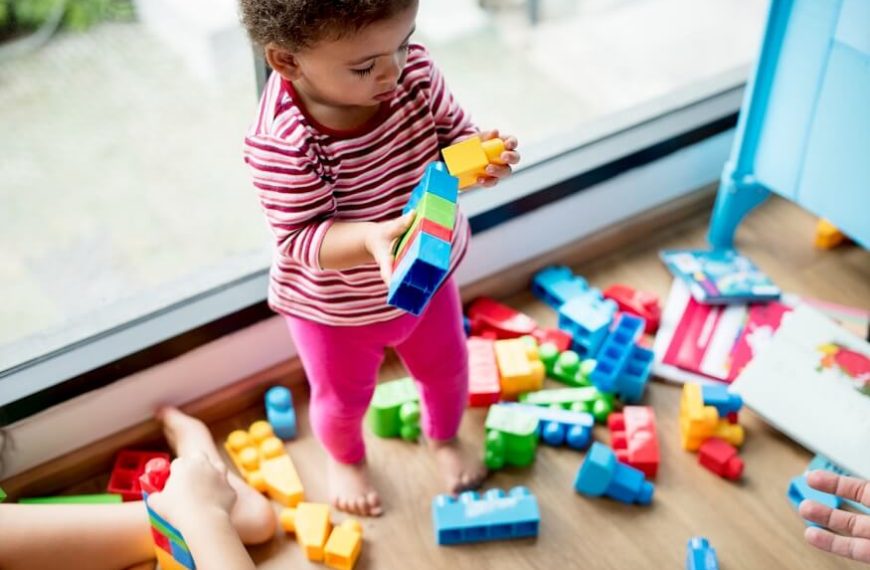
Toddlers are like sponges, soaking in information from their surroundings. Cognitive development during this stage involves exploring cause and effect, understanding simple concepts, and developing problem-solving skills. Engaging activities such as shape sorting, building blocks, and simple matching games stimulate their cognitive growth.
Language Enrichment:
1. Rhyme Time:
Introduce toddlers to rhymes and songs. This not only enhances their language skills but also promotes a sense of rhythm and coordination.
2. Flashcard Fun:
Use age-appropriate flashcards to introduce new words and concepts. Toddlers enjoy visual stimulation, which aids language acquisition.
Encouraging Social Interaction:
1. Playdates:
Facilitate playdates with other toddlers to encourage social interaction. Group activities help toddlers develop crucial social skills such as sharing, taking turns, and cooperation.
2. Role Play:
Foster imaginative play by introducing simple role-playing scenarios. This not only sparks creativity but also enhances their understanding of social roles and relationships.
Promoting Independence:
1. Self-Feeding Activities:
Encourage toddlers to explore self-feeding with finger foods. This fosters independence and fine motor skills.
2. Dressing Up:
Introduce activities like dressing up with easy-to-manage clothes. This helps toddlers practice essential skills like zipping, buttoning, and tying.
Read More – At What Age Should Children Begin Engaging in Activities
Supporting Holistic Learning with EuroKids
At EuroKids, activities are designed to nurture every aspect of a toddler’s development through experiential learning and guided exploration. Through interactive play, storytelling, sensory experiences, movement activities, and creative learning, children develop cognitive, emotional, social, and physical skills naturally in a joyful environment. The focus remains on helping toddlers learn with confidence while fostering curiosity, independence, and meaningful connections.
Conclusion
In conclusion, tailoring activities to toddlers’ characteristics is key to providing an enriching and enjoyable experience. Whether indoors or outdoors, these activities contribute to their holistic development, laying the groundwork for a lifetime of learning. As toddlers explore and engage with their surroundings, they not only build essential skills but also create cherished memories.
As a leading preschool committed to providing a nurturing environment aligned with toddlers’ developmental needs, EuroKids offers a curriculum designed to stimulate their curiosity and foster holistic growth. Explore the world of EuroKids and give your child the best foundation for a bright future.
Parents looking to give their child a strong foundation in early learning can explore EuroKids Preschool Admission to begin this enriching journey.
FAQs
1. What are the best indoor activities for toddlers?
Sensory play, puzzles, painting, storytelling, and music activities are excellent indoor options.
2. Why are outdoor activities important for toddlers?
Outdoor play supports physical development, coordination, exploration, and sensory learning.
3. How do puzzles help toddlers?
Puzzles improve problem-solving, concentration, memory, and hand-eye coordination.
4. What activities support language development in toddlers?
Rhymes, songs, storytelling, and flashcards help toddlers build vocabulary and communication skills.
5. How can parents encourage toddler independence?
Allow toddlers to practice self-feeding, dressing, and simple daily tasks independently.