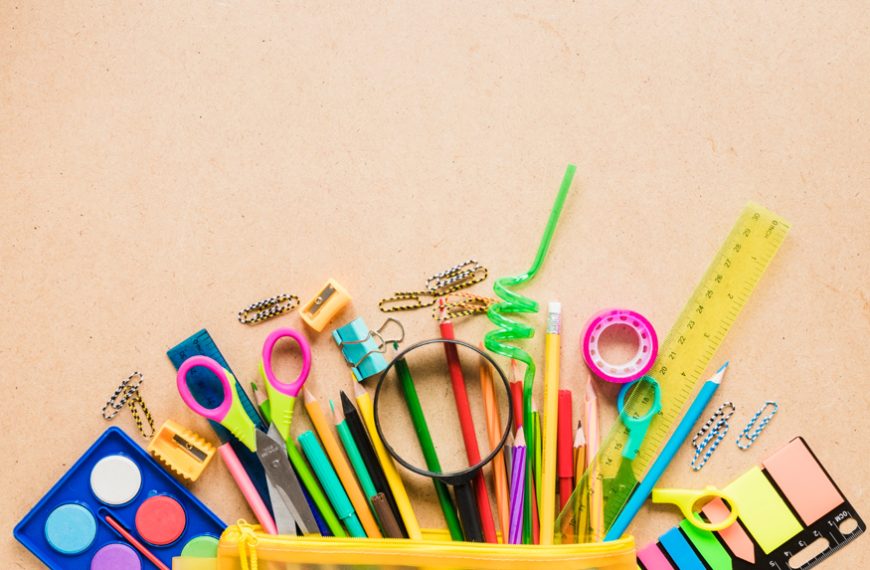
There is a green initiative for everything these days. This is because we have really created so much waste through our daily needs. Raising global awareness and including our youth is a great way to reduce our footprint and contribute to more sustainable practices. Imagine if everything that was meant to be used only once was being used twice! Products are now created to be thrown, and this culture seems to have spread to all areas of our consumption. Managing school supplies more sustainably plays a strong role in shaping the habits and values of the younger generation. Here we will explore various ways in which we can actively engage in repurposing and recycling school stationery and supplies, fostering a culture of environmental responsibility.
Why Repurposing School Supplies Matters More Than Ever
With our diverse population and extensive educational system, unfortunately, a significant portion of the materials used end up in landfills, contributing to the growing waste management challenges in the country. Education is key in engaging in more meaningful conversations and creating school supplies from existing ones, engaging in more crafts and above all, reducing waste. Encouraging these habits early helps shape mindful individuals who understand that sustainability begins with simple, thoughtful choices at home and school.
1. Establish a ‘Reuse and Repurpose’ System:
To start, you need to first establish a system within your space that promotes the reuse and repurposing of school supplies as an effective strategy. This means that you would encourage children to use both sides of notebooks, repurpose old folders or binders, and creatively transform used materials into new, functional items. In addition, if a supply cannot have multiple functions, tell them to choose a different supply. This not only reduces waste but also gets their creative side working.
2. Organizing Stationery Swaps:
Collaborating with others in your community for stationery swaps can be a practical way to repurpose school supplies. Our tastes can change, children often outgrow their stationery, and what may be unused for one family can be a valuable resource for another. Organising periodic swapping events allows parents to exchange items that are still in good condition, promoting a sense of community and reducing the need for new purchases. In addition, you could also donate these to underprivileged schools that need supplies or crafting materials if your child is not going to work on a project with them.
3. Creating a Dedicated ‘Stationery Reuse Zone’:
Designating a specific area for this can encourage the collection and repurposing of school supplies. This can include shelves or bins where children can deposit gently used items like pens, pencils, erasers, and rulers. When a need arises, we can revisit this zone before purchasing new supplies.
4. Repairing and Refurbishing Supplies:
Replacing items is far too easy today. Before you decide that a school supply looks old and needs to be replaced, learn to repair and refurbish it. This is a great time to revisit the ‘Stationary Reuse Zone’ to see what can be found to fix these supplies. Maybe it’s just the binding on the books that needs to be reglued, or maybe pencils just need to be sharpened and put together to create a new set. This is a wonderful time to learn about caring for our possessions and consuming responsibly.
5. Supporting School Initiatives:
Many schools are implementing recycling programs that encourage students to actively participate in recycling and repurposing practices. Everyone can support these initiatives by volunteering for recycling drives and taking the steps above at school as well. This way, you are contributing to efforts or even proposing new ideas to enhance the school’s environmental initiatives. This collaboration reinforces the importance of reusing all our supplies.
6. Engaging in DIY Upcycling Projects:
Involve children in do-it-yourself (DIY) upcycling projects, turning old stationery into new, creative items. For example, transforming cardboard from used notebooks into bookmarks, or repurposing colourful magazine pages into unique stationery organisers. These projects not only contribute to waste reduction but also provide an opportunity for quality family time and skill development.
Read More – Teaching Kids the Importance of Recycling
Creative DIY Ideas to Repurpose School Supplies
Repurposing old school supplies can be both fun and meaning.
Multiple other DIY school supply ideas offer a blend of creativity, personalisation, and sustainability. They not only allow you to express your artistic side but also contribute to reducing waste by using items that would otherwise get thrown out or collect dust. Get ready to make your school year a bit more colourful and eco-friendly by trying some of these school supply craft ideas below.
1. DIY Personalised Notebooks:
- The materials you will need are :
- Plain notebooks
- Craft paper or wrapping paper
- Glue
- Scissors
- Paintbrush
Instructions: Cut the craft paper to the size of the notebook cover. Apply a thin layer of glue to the notebook cover. Carefully place the craft paper onto the cover and smooth out any air bubbles. Allow it to dry completely. Add stickers, magazine cut-outs, or your name to personalise it further.
2. Upcycled Uniform Pencil Case:
- The materials you will need are:
Old school uniform - Fabric glue or sewing machine
- Scissors
- Instructions: Cut a rectangular piece from the school uniform, making sure to include the zipper area. Fold the fabric in half with the zipper in the middle, and glue or sew the sides together. Trim the excess cloth and turn it inside out. Attach the zipper using fabric glue or a sewing machine. Your upcycled uniform pencil case is ready to match your outfit for the next year!
3. Homemade Eraser Stamps:
The materials needed are:
- Plain erasers
- Carving tools
- Ink pads
- Paper
Instructions: Carve simple designs or shapes onto the erasers using carving tools. Press the carved eraser onto an ink pad. Stamp the design onto paper or other surfaces to create custom patterns.
4. Decorative Bookmarks:
The materials needed are:
- Cardstock or old greeting cards
- Decorative paper
- Hole punch
- Ribbon or yarn
Instructions: Cut the cardstock or old greeting cards into bookmark-sized rectangles. Decorate one side with colourful paper, stickers, or drawings. Punch a hole at the top and thread a ribbon or yarn through it. Personalise with your name or a motivational quote.
Read More – Easy DIY Crafts for Preschoolers Using Recycled Materials
How EuroKids Promotes Sustainable Habits in Children
At EuroKids, sustainability is integrated into everyday learning experiences. Children are encouraged to explore creative ways to reuse materials through art projects, classroom activities, and hands-on experiments. For parents considering preschool admission, this means choosing a learning environment where children are taught to be mindful, creative, and responsible from an early age. By turning everyday waste into meaningful creations, children learn that sustainability can be fun, practical, and impactful.
EuroKids also emphasises environmental awareness through storytelling, discussions, and collaborative activities that highlight the importance of reducing waste and protecting natural resources. Teachers guide children to think critically about their choices, fostering habits such as mindful consumption and responsible use of materials. Through these initiatives, EuroKids helps children develop a sense of environmental responsibility that extends beyond the classroom and into their daily lives.
Read More – Crafting with Recyclables
Conclusion
We all have a significant role to play in promoting less waste while allowing children to enjoy their school stationery and supplies. By adopting a fun approach that includes crafts, education, DIY and community collaboration, we can reduce our purchasing and repurpose supplies that are usually just getting wasted. Engage everyone in creative initiatives, and collaborate with the community so we can have a positive impact on the environment and instil lifelong values of reusing our DIY supplies.
Embracing a culture of repurposing and recycling not only contributes to waste reduction but also sets the stage for a more sustainable school and home environment. As we lead the way, we empower children to be conscious and responsible individuals who understand the importance of repurposing and recycling our school supplies.
For more updates and information, check out the the EuroKids website.
FAQs:
1. Why is it important to reuse school supplies?
Reusing school supplies reduces waste, saves resources, and teaches children the importance of responsible consumption. It also encourages creativity and problem-solving skills.
2. How can parents encourage children to repurpose stationery?
Parents can involve children in DIY projects, set up a stationery reuse area at home, and encourage them to repair or redesign old supplies instead of discarding them.
3. What are some easy ways to recycle school materials?
Simple methods include using both sides of paper, donating unused supplies, repairing damaged items, and transforming old stationery into craft projects.
4. How do schools contribute to sustainable practices?
Schools can organise recycling drives, stationery swap events, and eco-friendly classroom activities that promote environmental awareness among students.