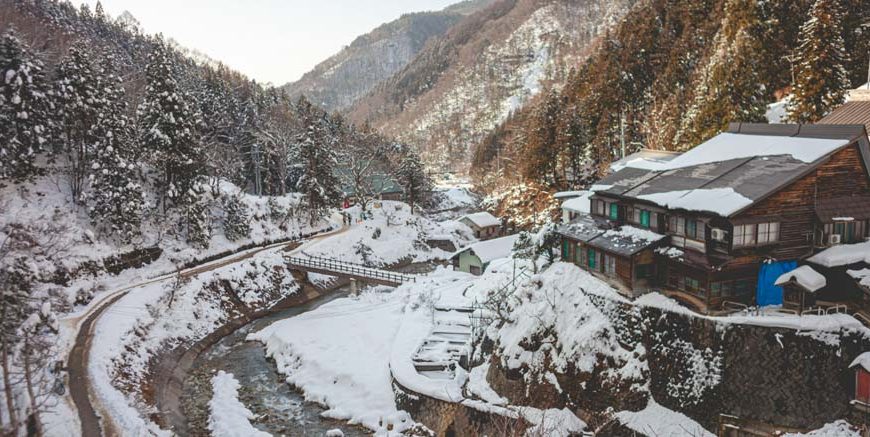
Snow-covered landscapes look beautiful, calm, and white, but surviving in such regions is extremely challenging for living organisms. Plants that grow in snowy regions have special features that help them survive extreme cold, snowfall, and strong winds. In India, snowy regions are mainly found in the Himalayan belt, including Jammu & Kashmir, Ladakh, Himachal Pradesh, Uttarakhand, and parts of Sikkim and Arunachal Pradesh.
Here, we will explain the names of plants in snowy regions, key species, their adaptations, and why these plants are important, using examples suitable for students and competitive exams.
What Is a Snowy Region?
A snowy region is an area that experiences:
- Very low temperatures
- Heavy snowfall
- Long winters
- Short growing seasons
In India, snowy areas are mostly found in high-altitude mountain regions. These regions remain covered with snow for many months of the year, making plant survival difficult.
Snowy Area in India: Major Locations
India has several snowy areas, such as:
- Ladakh (cold desert)
- Kashmir Valley
- Himachal Pradesh (Lahaul-Spiti)
- Uttarakhand (Chamoli, Uttarkashi)
- Sikkim and Arunachal Pradesh (upper Himalayan ranges)
Plants growing in these regions are specially adapted to the harsh climate.
Read More – Types of Plants for Kids
Plants in Snowy Region: An Overview
Plants in the snowy region are mainly:
- Coniferous trees
- Shrubs
- Mosses and lichens
- Alpine flowering plants
These plants are mostly terrestrial plants, meaning they grow on land.
Snowy Region Plants Names List
Here is a snowy region plants names list useful for school exams and projects:
- Pine Tree
- Deodar Tree
- Fir Tree
- Spruce Tree
- Juniper
- Birch
- Rhododendron
- Alpine Flowers
- Mosses
- Lichens
Each plant in the snowy region shows unique adaptations to survive extreme cold.
Read More – Flowering Plants: Learn Definition, Parts and Examples
Snowy Region Plant Names and Their Features
1. Pine Tree
Pine is one of the most common plants in snowy regions.
- Needle-like leaves reduce water loss
- The conical shape helps snow slide off easily
- Evergreen nature allows photosynthesis year-round
2. Deodar Tree
Found widely in the Indian Himalayas.
- Strong wood
- Long lifespan
- Thick bark protects against the cold
3. Fir Tree
Fir trees grow in high-altitude snowy areas.
- Soft needle-shaped leaves
- Cone-shaped structure
- Found in Himachal Pradesh and Uttarakhand
4. Spruce Tree
Spruce trees are tall conifers.
- Flexible branches
- Waxy leaves
- Found in cold mountainous regions
5. Juniper
A hardy plant that grows even in dry, snowy areas.
- Small leaves
- Resistant to frost
- Found in Ladakh
Small Plants in Snowy Regions
Not all plants in snowy regions are tall trees. Some are small but equally important.
Moss
- Grows close to the ground
- Absorbs moisture easily
- Survives extreme cold
Lichen
- Grows on rocks and tree trunks
- Can survive without soil
- Important for soil formation
These small plants help maintain the ecosystem.
Read More – Parts of a Flower and Their Role in Nature for Kids
Adaptations of Snowy Region Plants
Plants in snowy regions show special adaptations to survive.
Needle-Shaped Leaves
- Reduce surface area
- Prevent water loss
- Stop snow accumulation
Conical Shape
- Helps snow slide down
- Prevents branch breakage
Thick Bark
- Protects from freezing temperatures
- Prevents moisture loss
Evergreen Nature
- Leaves remain throughout the year
- Allows photosynthesis even in winter
These adaptations make plants in snowy regions unique.
Why Snowy Region Plants Are Mostly Evergreen
Most plants in snowy regions do not shed their leaves because:
- The growing season is short
- Producing new leaves every year is difficult
- Evergreen leaves help absorb sunlight whenever available
This is why pine, fir, and spruce dominate snowy forests.
Importance of Snowy Region Plants
Plants in snowy regions play a major role in nature:
- Prevent soil erosion
- Provide shelter to animals
- Maintain oxygen balance
- Support tourism and livelihoods
- Supply timber and medicinal products
In India, the Himalayan forests are crucial for ecological balance.
Uses of Snowy Region Plants in India
Snowy region plants are used for:
- Timber (pine, deodar)
- Medicines (juniper, rhododendron)
- Paper production
- Fuelwood
- Religious and cultural uses
Many Himalayan communities depend on these plants.
Threats to Snowy Region Vegetation
Snowy region plants face many threats:
- Climate change
- Global warming
- Deforestation
- Uncontrolled tourism
- Forest fires
Rising temperatures reduce snowfall, affecting plant survival.
Read More – Best Monsoon Plants That Attract Butterflies
Conservation of Snowy Region Plants
To protect the snowy region vegetation:
- National parks are established
- Afforestation programs are promoted
- Eco-tourism is encouraged
- Awareness among locals has increased
Protecting these plants protects India’s water sources and biodiversity.
How EuroKids Builds Strong Geography Foundations
When geography is introduced through storytelling, visual exploration, maps, globes, and hands-on discovery, young learners begin to understand the world around them in a meaningful way. Instead of memorising place names or directions, children learn by observing, questioning, and connecting ideas. This is why structured early education programs emphasise experiential and inquiry-based learning over rote memorisation.
At EuroKids, foundational geography concepts are nurtured through the HEUREKA – Visible Thinking Curriculum. This approach encourages children to explore their surroundings, understand directions, identify landforms, recognise community helpers, and develop awareness about their environment through interactive activities. Using visual maps, thematic projects, storytelling, group discussions, and observation-based tasks, children are guided to think, ask questions, and make connections about the world they live in.
Concepts such as “my home,” “my neighbourhood,” seasons, weather, transport, and basic map skills are introduced through relatable, real-life experiences. The Visible Thinking framework supports curiosity, reflection, and expression, and helps children articulate what they see, think, and wonder.
With a child-centric and play-based methodology refined over 20+ years and implemented across 1600+ preschools, EuroKids focuses on building curiosity and awareness first, allowing knowledge, confidence, and critical thinking skills to grow naturally over time.
Quick Revision: Snowy Region Plants
- Found in cold, high-altitude areas
- Mostly coniferous trees
- Have needle-shaped leaves
- Evergreen in nature
- Adapted to snowfall and low temperatures
This makes revision easy before exams.
Snowy Region Plant Names Explained
Plants growing in snowy regions are strong survivors of nature. From tall pine trees to tiny mosses, every plant in the snowy region has special features that help it survive harsh climatic conditions. In India, the Himalayan snow-capped regions support rich plant life that is vital to ecology, climate balance, and human livelihoods.
Learning about the names, adaptations, and importance of plants in snowy regions helps students understand how nature adapts to extreme environments.
To explore more learning ideas, simple explanations, and early childhood resources, parents
can visit the EuroKids Blog. Those who wish to understand the preschool journey better or
explore enrolment options can find complete information on the EuroKids Preschool Admission
Page, where learning is designed to be joyful, engaging, and child-friendly.