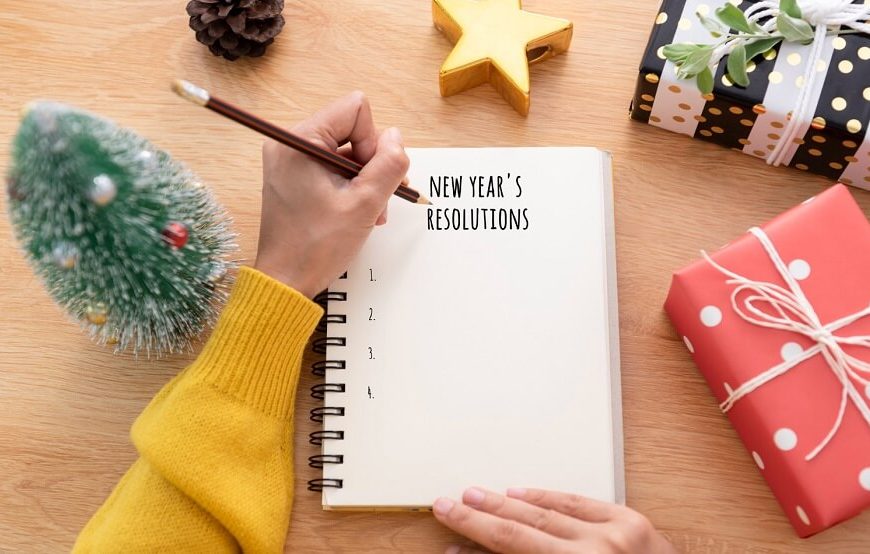
One of the good and apt New Year resolution quotes for preschoolers is, “This New Year, my wish for you is to give you wings of imagination that spread far and wide to make you think out of the box.” This is all the more relevant as often adults typically think about New Year’s resolutions as goals for themselves, and they usually involve fitness and health. As parents, we need to rethink resolutions, especially when it comes to preschoolers. A New Year’s resolution list is a great way to set realistic goals for kids and practise these important skills together. Introducing a fun new year resolution for primary school students can spark excitement and motivation from day one.
It’s a great way to teach kids about determination, goal setting and personal improvement. You will have to keep track of these resolutions, as children with their short attention spans easily forget, and it’s up to you to ensure that they are actually developing the good habits that they have decided on. New Year’s resolutions aren’t just for personal improvement; they enrich your family life and your kids’ understanding of themselves and can actually be fun. There are a few tips you could follow when you are setting your age-appropriate goals with your children that will set you and your preschooler up for success.
What is a New Year’s Resolution?
Understanding the purpose behind new year resolutions for kids helps them stay committed. You could think about New Year’s resolutions as a way to look at behaviours you want to become habits, an opportunity for the family to work as a team and a fun opportunity to see what your kid would like to do in the New Year.
For it to be successful, make sure these are practical, age-appropriate and achievable resolutions and that everyone is excited about it. There has to be some level of independence in choosing the resolution and ensuring they are positive, as it is something we should be doing rather than avoiding.
Resolutions should be SMART – specific, measurable, achievable, realistic and timely otherwise, kids will try to avoid them.
Read More – New Year Story for Kids
Some Ideas for New Year’s Resolutions for Kids
Preschoolers may have trouble sticking to long-term goals, so listing small, achievable habits is one of the best ways to form a new year resolution for students.You could put up a sticker chart on the refrigerator to help them keep track of their resolutions. It may be a good idea to plan a reward if they’re successful.
- One random act of kindness per day.
- Make sure to thank someone every day for doing something nice for you.
- Learning a new word every day.
- Starting a family activity together
- Reframing a negative thought every day.
- Spend less screen time and time on social media.
- Using less plastic and being more eco-friendly.
- Tidy up toys after playing with them.
- Brush my teeth regularly.
- Washing hands regularly after going to the bathroom and before eating.
- Try all the food on the plate, even if it’s just one bite.
- Working on letters and numbers for at least 5 minutes every day.
Read More – New Year’s Activities for Kids
Ways To Help Kids Set And Achieve New Year Resolutions
- Sit down with your kid and write down the resolutions so that they are not forgotten. Keep the New Year’s resolution list safely and leave enough room on it to add notes as the year passes.
- Lead by example because if you aren’t going to follow through with your resolutions, your child is not going to either. Looking at you stick to your resolution, your child will understand and learn about accountability and why goals matter and that it’s possible to achieve them.
- Resolutions just need to be positive. They don’t necessarily have to be about turning something negative into something positive; they can be about building on skills that are already there. For example, if your child has just started learning to sing, you can set a resolution to practise every day or work towards a particular song. This way, they are improving on what’s already there and will promote a positive outlook towards building new skills rather than feeling they have to improve themselves.
- It’s always better to make suggestions rather than give orders. Your kid is more likely to do something they have chosen rather than something that has been decided for them. You will have to offer some guidance, so try suggesting things based on what interests them and what they findfun.
- Set smaller goals that may eventually achieve bigger things. Vague goals don’t help; there needs to be a plan behind them. Set a goal like limiting screen time and other easily achievable goals that can eventually lead to healthier lifestyle choices.
- Resolutions need to be age-appropriate. What works for an older child may not work for a preschooler. For a preschooler, set resolutions about personal hygiene in your child — I will brush my teeth twice a day, or I will wash my hands before eating and after going to the bathroom. Resolutions for preschoolers should also encourage family participation or promote kind behaviour towards others.
- With resolutions, there are never failures, only setbacks. Life can get chaotic, and things may go haywire, but one shouldn’t give up. Kids should be encouraged to continue with their resolutions even if they have difficulty adhering to them. They should be made to realise it’s a temporary setback which allows space for further improvement. Forgiving ourselves for slipping up and recovering smoothly teaches kids good problem-solving strategies, too. Cognitive reframing is helpful in achieving goals in the future and inculcates determination and perseverance.
- Periodically check the sheet you made at the beginning of the year and see what resolutions were achieved and what needs to be improved to achieve them next month. Recognise the barriers that are stopping your kid from achieving their resolutions.
Read More – Best New Year Quotes for Kids
Fun Ways to Display Resolutions
Displaying goals creatively is a fun way to reinforce a new year resolution for students. Everyone could write out their resolution and post it in a place where it can be seen every day, as it serves as a great reminder. Jars can be used to keep track of how many times the resolutions were achieved by putting a stone or bead in the jar. A family competition of how many days in a row the resolution was achieved can be both motivating and exciting.
Summing up
Introducing resolutions at a young age helps children build confidence, discipline, and a sense of achievement. Making the process enjoyable turns every new year resolution for students into a positive experience, and families can strengthen bonds through shared goals and encouragement. New Year’s resolutions are a great way to develop good habits and keep improving, and offer a long-term goal for your children. This is a great and practical life skill for both you and your kid. It is extremely important to sit down and decide this as a family, with the kids are given the opportunity to make their own resolutions. Even the most realistic and well-planned resolutions don’t always pan out as we want, but that is a good opportunity to teach your child about flexibility. They need to learn how to adapt when this happens, and it helps in building resilience. Every disappointment can be made into a teachable moment and help your child to achieve their New Year resolution. For more information and ideas about New Year resolutions for preschoolers, do check in with the EuroKids website.
EuroKids Admissions for the new academic year are now open. Parents who wish to provide their children with a strong early learning foundation are invited to explore EuroKids centres across India. Give your child a happy, confident and inspiring start to the new year.
You can check out the EuroKids blog for more insightful and fun articles to support your baby’s growth, health, and learning.
Don’t forget to check out EuroKids Preschools for the perfect foundation to kickstart your little one’s learning journey.
FAQs:
1. How do I explain New Year’s resolutions to young kids?
You can explain resolutions simply by describing them as small promises children make to try new things or improve certain habits. Using examples like brushing regularly or tidying toys makes the idea easier for them to grasp.
2. What are good New Year’s resolutions for kids?
Good resolutions include daily habits like helping at home, learning new words, practising kindness, or following simple routines. Small, clear goals work best for young children.
3. How can I help my child stick to their New Year’s resolutions?
Use charts, stickers, or gentle reminders to keep resolutions fun and engaging. Celebrate small wins and encourage progress without pressure.
4. Are New Year’s resolutions useful for preschoolers?
Yes! Resolutions teach responsibility, independence, and emotional awareness. They also help preschoolers understand routine and effort in a fun, meaningful way.
5. Should New Year’s resolutions be different for primary school children?
Primary school children may be ready for slightly more structured goals, such as reading regularly, practising handwriting, or helping with simple chores. Their resolutions can be slightly more advanced while still manageable and enjoyable.