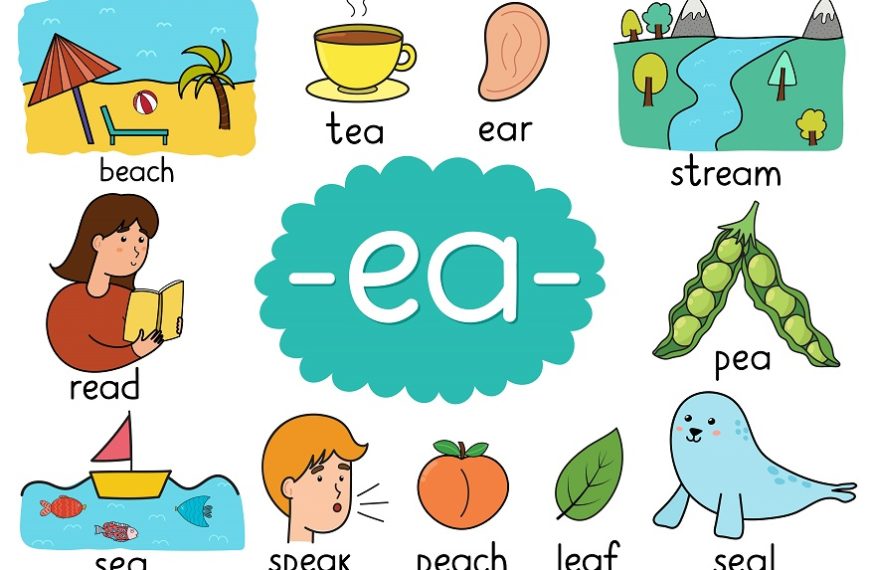
Watching a child transition from babbling baby talk to speaking full, complex sentences is an incredible journey. However, the leap from simply speaking words out loud to actually reading them on a printed page is a completely different challenge. To a young child, the letters of the alphabet are just strange, squiggly lines. They have no inherent meaning until we give them a voice. This is where the magic of sound decoding comes into play.
It acts as the ultimate bridge between recognizing a visual shape and understanding spoken language. Let’s break down exactly what this educational method entails and explore some highly effective, stress-free ways to weave it into your child’s daily routine.
The Phonics Meaning
Before diving into the activities, we need to understand the core concept. If another parent asks you to explain the phonics meaning, you can describe it as the direct relationship between letters (what we see) and sounds (what we hear).
Instead of teaching a child to simply memorize that the shape ‘C’ stands for ‘cat’, this method teaches them that the letter ‘C’ makes a hard, clicking “kuh” sound in the back of the throat. Once a child understands that every single letter, or group of letters, has a specific sound attached to it, they can start building words like Lego bricks. They stop guessing what a word might be based on pictures, and instead, they use their ears and eyes to decode the mystery.
Read More – Why Phonics is Important for Early Childhood Reading?
How to Teach Phonics to Kids
The biggest mistake adults make when figuring out how to teach phonics to kids is treating it like a boring college lecture. Young brains are not wired to sit still and stare at black-and-white flashcards for an hour. They need movement, laughter, and sensory experiences. The goal is to make sound recognition feel like a natural extension of playtime. Here are six proven strategies to help your little one master the alphabet sounds.
1. Focus on the Mouth: How to Teach Phonic Sounds to Kids
When figuring out how to teach phonic sounds to kids, start by looking in the mirror together. Kids need to see exactly what their mouth, lips, and tongue are doing when they make a sound. Have them make the ‘M’ sound and notice how their lips press tightly together and hum. Then, make the ‘S’ sound and point out how their teeth close like a snake hissing (“sssss”). By focusing on the physical feeling of the sound in their mouth, the lesson sticks much faster than just listening to an audio recording.
2. Household Labels: How to Teach Phonics to Kids at Home
You do not need an expensive classroom to build a rich learning environment. If you want to know how to teach phonics to kids at home, grab a pack of sticky notes and a bold marker. Write simple, distinct letters and stick them on matching objects around the house. Put a big ‘B’ on their bed, a ‘D’ on the front door, and a ‘T’ on the dining table. Every time they interact with the object, tap the note and make the sound together. This integrates learning seamlessly into their daily life.
3. Get Messy with Tactile Learning
Children learn best when their hands are busy. Pour a thin layer of colorful play sand, dry rice, or even cheap shaving cream onto a baking sheet. Call out a phonetic sound, like “Buh,” and ask your child to trace the letter ‘B’ right into the messy tray using their index finger. Connecting the physical, messy movement of drawing the letter with the auditory sound spoken out loud engages multiple parts of their brain at the exact same time.
4. Play the Robot Blending Game
Once your child knows a few individual sounds, they have to learn how to push them together. This is called blending. A highly effective way to teach this is to talk like a slow, mechanical robot. Say to your child, “Can you hand me the c-u-p?” Make sure to pause between each sound. Your child’s brain will work to squish those three sounds together to figure out you are asking for the cup.
5. Slow Down the Bedtime Story
Read-aloud time is already a staple in most homes, but you can tweak it to boost their reading skills. As you read a familiar, favorite storybook, use your index finger to slowly track underneath the words. Occasionally, stop at a very simple word like “dog” or “sun.” Point to the first letter and ask them what sound it makes. You don’t have to do this for the whole book—just two or three words a night is enough to reinforce the connection without ruining the fun of the story.
6. Use Rhythm, Rhymes, and Songs
Music is an incredible memory tool. Think about how easily you can remember the lyrics to a song you haven’t heard in ten years! Use catchy alphabet songs that emphasize the sounds of the letters rather than just their names. Make up silly rhymes while you are driving in the car. For example, “I see a cat, sitting on a mat, wearing a big hat!” Emphasizing these rhyming sounds tunes their ears to hear how language naturally connects and repeats.
Read More – Fun Phonics Sounds for Kids
Conclusion
Teaching a child to decode language is not just an academic milestone; it is a fundamental shift in how they interact with the universe. Before phonics, a book is just a bound stack of paper with pictures. After mastering these sounds, that same book becomes a portal to different worlds, ancient histories, and wild adventures.
When you sit on the floor sounding out the letter ‘P’ with your child, remember that you are doing much more than prepping them for a spelling test. You are actively handing them the master key to human knowledge. You are giving them the independence to read street signs, follow recipe directions, and eventually write their own brilliant stories.
To explore more fun educational concepts and parenting tips, check out the EuroKids Blog and find out more about EuroKids Preschool Admission.
Read More – How can you introduce phonics to 2-year-olds
FAQs
What is the difference between phonics and learning the alphabet?
Learning the alphabet is simply memorizing the names of the letters (A, B, C). Phonics is learning the specific, physical sounds those letters actually make when you say them out loud.
At what age should I start introducing these sounds?
You can start casually introducing letter sounds through play and songs as early as 3 or 4 years old, keeping it entirely stress-free and fun!
Do I need to buy expensive programs to teach this?
Absolutely not! Your voice, a piece of paper, some everyday household items, and a few good library books are all you really need to build a strong foundation at home.