Waking a sleepy toddler on a freezing winter morning usually involves a massive battle of wills. You try to pull the warm duvet off the bed, and they instantly roll over, completely refusing to put their socks on. Getting dressed, washing sticky faces, and brushing tiny teeth feels like an endless uphill struggle before you even manage to drink your morning tea.
However, smart parents have always known a clever trick to skip the daily tantrums entirely. They turn the boring morning routine into a musical game. The traditional song about a chilly morning walk is the ultimate parenting hack. We are going to break down how this catchy tune helps children build crucial life skills, look at the exact lyrics you need to sing, and discover how a simple singing circle transforms a chaotic morning into a laughing fit.
The Meaning Behind Here We Go The Mulberry Bush
Nursery rhymes are rarely just random collections of silly words. They usually carry a hidden, highly practical purpose that helped families function hundreds of years ago. When we investigate the origins of Here We Go The Mulberry Bush, we find a highly structured song designed specifically to teach young children how to manage their own personal hygiene. Centuries ago, before indoor plumbing and warm radiators existed, getting clean was a tough, freezing chore. Mothers needed a simple way to keep their kids moving and distracted from the bitter cold weather while they washed their faces and brushed their hair.
By creating a repetitive musical loop, the song acts as a brilliant mental checklist for toddlers. Instead of just barking loud orders at a tired child, the bouncy melody turns brushing teeth and tying shoe laces into a fun, expected rhythm. The song completely removes the heavy friction from the morning schedule. The child is no longer being told what to do by a grumpy adult; they are simply acting out the next verse of a fun game. This subtle shift in power gives the child a sense of deep independence. They feel completely in control of their own dressing routine, which drastically reduces the amount of crying and shouting before the school run.
Read More – Nursery Rhymes For Kids with Lyrics
Singing Here We Go Round The Mulberry Bush Together
Here We Go Round The Mulberry Bush,
The mulberry bush, the mulberry bush.
Here We Go Round The Mulberry Bush,
On a cold and frosty morning.
This is the way we wash our face,
Wash our face, wash our face.
This is the way we wash our face,
On a cold and frosty morning.
Exploring the Mighty Mulberry Bush in Real Life
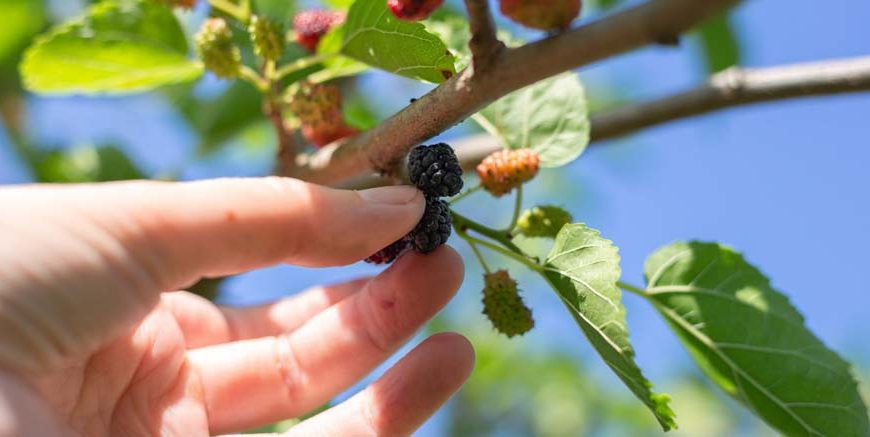
While the song is mostly used for getting dressed nowadays, the actual plant mentioned in the main chorus offers a brilliant opportunity for outdoor learning. A real Mulberry Bush is not actually a small shrub at all; it eventually grows into a massive, twisting tree that produces incredibly sweet, dark red berries during the late summer months. Kids are usually fascinated to learn that the plant from their favourite song is a real, physical thing they can actually touch and smell in the back garden or at the local park.
Taking the song outside and turning it into a physical game builds immense gross motor skills. Kids need to run, hold hands, and coordinate their bodies in a moving circle. Here is a practical list of ways to make the rhyme highly interactive and physical:
- The messy circle: Gather the family in the garden, hold hands tightly, and run sideways in a big circle while singing the main chorus, falling down playfully on the grass on the final word.
- The miming game: Shout out a random daily chore like sweeping the floor or washing the dishes, and have the child instantly invent a physical dance move to match the new verse.
- Berry picking: Use small red balls or scrunched up pieces of red paper hidden around the living room. Have the kids run around collecting the fake berries while you sing the song to them.
- Speed dressing: Lay out a pile of winter clothes on the rug. Challenge your child to put on their hat, scarf, and gloves completely independently before you finish singing the frosty morning verse.
Read More – List of Fruits Name
Conclusion
It is genuinely thought provoking to realise that a simple playground tune invented hundreds of years ago remains the most effective way to teach a modern toddler how to get dressed. We often spend massive amounts of money on digital chore charts and parenting books, completely forgetting that human beings are naturally wired to learn through rhythm, music, and shared play. Turning a highly stressful, tear filled morning routine into a collaborative dance completely shifts the energy inside the house. A child who learns to manage their own daily hygiene through a joyful song grows into a confident, independent person who does not need to be constantly managed by an adult. By embracing these classic musical tools, we give our children the gift of self reliance wrapped tightly in a layer of fun. To read more practical advice on building healthy daily routines for young minds, explore the EuroKids Blog and begin planning their bright future today with EuroKids Preschool Admission.
FAQs
Why do we sing about a cold and frosty morning?
The song originated in Britain where the winters are historically freezing, so the fast paced dancing and singing were literally used to help children warm their bodies up while getting dressed outside in the cold.
Can I change the lyrics to suit our specific evening routine?
Yes, it works perfectly for bedtime. You can easily swap the words to sing about picking up toys, putting on warm pajamas, and getting into bed on a dark and sleepy evening.
What age is the best time to start using this song?
You can start singing the tune to babies while changing their nappies, but toddlers between the ages of two and four will get the absolute most benefit from actively acting out the chores.