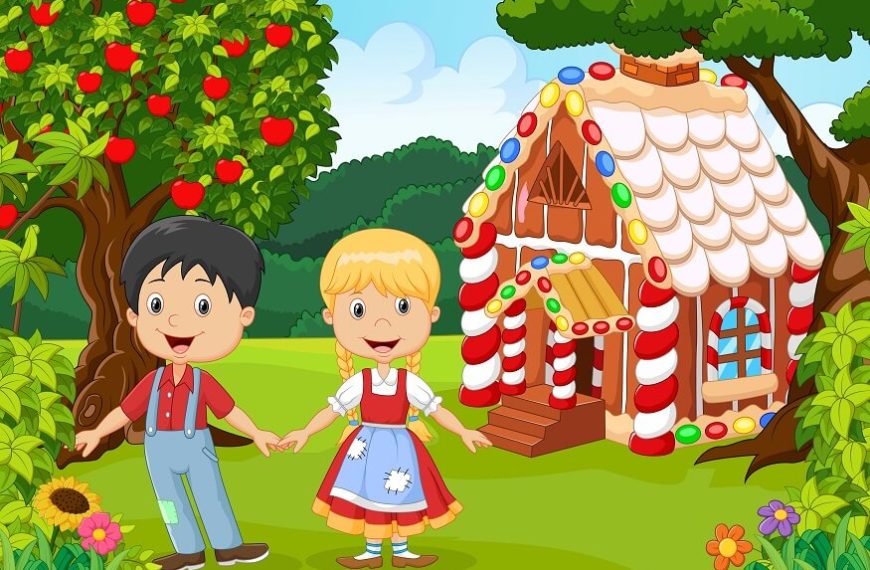
Imagine walking through a thick, whispering forest. The trees stretch high above you, blocking out the sun, and your tummy is rumbling so loudly it sounds like a grumpy bear. Just as you start to feel terribly tired and hungry, you smell something absolutely incredible floating through the chilly air. It is not the smell of pine cones or damp leaves. It is the warm, mouth-watering scent of spun sugar, vanilla, and freshly baked gingerbread.
This magical, terrifying, and delicious moment is the exact point where two famous siblings stumbled into the greatest adventure of their young lives. Reading old fairy tales is like opening a dusty treasure chest; you never quite know what sparkling life lessons you will find hidden at the bottom. Today, we are going to dive deep into a tale that has been shared across the globe for hundreds of years. Let us explore the characters, walk through the dark woods, unpack the hidden morals, and see exactly what this timeless adventure can teach young children today.
Who Are Hansel and Gretel?
Before we step into the forest, we must meet our heroes. Hansel and Gretel are a young brother and sister who live in a tiny, draughty cottage on the very edge of a massive wood. They are the children of a poor woodcutter. Whilst they do not have fancy toys, warm coats, or huge feasts to eat, they have something far more valuable: an unbreakable bond.
They are the perfect team. The brother is observant, logical, and always trying to plan ahead to protect his little sister. The sister, whilst easily frightened at first, possesses a quiet, fierce bravery and quick thinking that shines when things go terribly wrong. Together, they show us that you do not need to be a giant warrior or a magical wizard to defeat bad guys. Sometimes, all you need is a clever mind and a sibling who refuses to leave your side.
Read More – Short Moral Stories For Kids
The Unforgettable Hansel and Gretel Story
To truly understand why this narrative has survived for generations, we need to tell the Hansel and Gretel story in all its thrilling detail.
A long time ago, a terrible famine swept across the land. The poor woodcutter and his family had absolutely nothing left to eat. His new wife, the children’s cruel stepmother, convinced the heartbroken father that the only way for the adults to survive was to lead the children deep into the thickest part of the forest and leave them there.
However, the young boy was listening through the bedroom door. That night, he snuck outside and filled his pockets with smooth, white pebbles that glowed like silver in the moonlight. The next morning, as they were led into the woods, he secretly dropped the pebbles one by one onto the path. When the parents vanished, the children simply waited for the moon to rise and followed the glowing stones all the way back home.
The wicked stepmother was furious. A few weeks later, she locked the door so the boy could not gather pebbles, and the next day, she led them even deeper into the wild woods. This time, the clever boy crumbled up his small piece of lunch bread, leaving a trail of crumbs behind him. But alas, when they turned around to follow the crumbs home, they were gone! The hungry forest birds had swooped down and eaten every last piece.
Now, they were truly lost. They wandered for three days until they stumbled into a clearing and saw something impossible. Standing before them was a magical cottage. The walls were baked from solid gingerbread, the roof was tiled with sweet icing, and the windows were made of clear, spun sugar. Starving, the children ran up and began eating pieces of the roof.
Suddenly, the door creaked open. A very old woman with a kind smile hobbled out and invited them inside for a grand feast of pancakes, apples, and milk. But the sweet old woman was actually a wicked witch who built the delicious house entirely to trap hungry children!
Once they were inside, she locked the boy in a metal cage and forced the terrified girl to scrub the floors and cook meals. The witch planned to fatten the brother up to eat him. However, the witch had terrible eyesight. Every day, she asked the boy to stick his finger through the cage so she could feel if he was getting plump. Cleverly, he held out a thin, dry chicken bone instead. The witch was baffled as to why he was staying so incredibly thin!
Eventually, the wicked witch lost her patience and ordered the young girl to light the massive stone oven. The witch told the girl to climb inside to see if it was hot enough, secretly planning to trap her. But the girl sensed the danger. She pretended she did not know how to get in. Frustrated, the witch muttered, “Silly goose, the door is big enough! Look, even I can fit!” and stuck her own head into the oven. Instantly, the brave girl gave the wicked witch a massive shove, slamming the heavy iron door shut behind her.
She quickly unlocked her brother’s cage. Before leaving, they discovered chests completely filled with glowing pearls, rubies, and gold coins. Stuffing their pockets with treasure, they navigated their way out of the woods and finally found their father’s cottage. The cruel stepmother had passed away, and the father wept with joy to see his beloved children alive. With the witch’s treasure, they never went hungry again, living happily ever after.
A Quick Hansel and Gretel Summary
Sometimes, when reading a long fairy tale, it is helpful to look at the big picture. Here is a quick, crisp Hansel and Gretel summary to help children remember the sequence of events:
- The Problem: A poor woodcutter and his cruel wife cannot feed their family, so they abandon the two children deep in the forest.
- The Failed Plan: The children try to leave a trail of breadcrumbs to find their way home, but the wild birds eat the evidence, leaving them completely lost.
- The Trap: They find a beautiful, delicious house made of sweets, only to be captured by a wicked witch who wants to eat them.
- The Escape: Using brilliant teamwork, the boy’s chicken bone trick and the girl’s bravery at the oven, they defeat the witch, steal her treasure, and find their way back to their loving, regretful father.
Read More – Best Bedtime Stories for Kids
Meaningful Morals for Modern Kids
Fairy tales are not just written to scare us or make us hungry for sweets. They are survival guides disguised as bedtime stories. The themes found in this adventure are incredibly relevant to modern children.
Firstly, it teaches children to never give up. When the brother’s breadcrumb trick failed, he did not sit down and surrender. When the sister was forced to clean the witch’s floor, she did not lose hope. They both stayed alert and waited for the perfect moment to solve their problem. It shows kids that even when things look incredibly dark and scary, staying calm and using your brain is your greatest weapon.
Secondly, it provides a vital lesson about appearances. A house made of icing and gingerbread looks wonderful, and the old lady offering warm pancakes seemed harmless. But beneath the sugary surface lay great danger. It is an excellent, child-friendly way to introduce the concept of “stranger danger.” It teaches young ones that we cannot always judge a person or a situation purely by how nice it looks on the outside.
Lastly, it highlights the immense power of family and teamwork. The brother protected his sister in the scary woods, and the sister saved her brother from the cage. They did not fight or blame each other for being lost. They worked as a unit, proving that looking out for your siblings and working together makes you unstoppable.
Conclusion
When we close the book on this classic tale, we are left with much more than a story about walking sweets and wicked witches. We are left with a roadmap for resilience.
Every child will, at some point, feel a little bit lost in their own metaphorical woods. They might face a terrifying new school, a difficult subject they cannot understand, or a problem that seems far too big to solve. But this story serves as a beautiful reminder: you do not need to be the biggest or the strongest to win. You just need to be brave, trust your instincts, and hold tightly to the people who love you. The next time you face a frightening challenge, remember the boy with his glowing pebbles and the girl by the blazing ovez – you hold the exact same courage inside yourself to turn a scary situation into a tremendous victory.
To discover more enchanting stories and nurture your child’s love for reading, explore the EuroKids Blog and find out everything about EuroKids Preschool Admission today.
FAQs
1. Who originally wrote this famous fairy tale?
The story was famously recorded and published by the Brothers Grimm, two German authors who collected traditional European folklore in the early 19th century.
2. Why did the brother use breadcrumbs the second time instead of pebbles?
His cruel stepmother had locked the front door of the cottage during the night, meaning he could not sneak outside to gather his glowing white pebbles like he did the first time.
3. What is the most important lesson a child can learn from this adventure?
The most crucial lesson is that appearances can be highly deceiving. A beautiful house of sweets can hide bad intentions, teaching children to be cautious and to think critically about strangers offering them treats.