Walking past a brightly lit restaurant window, a child’s eyes instantly lock onto the colourful posters. They recognise the big red logos and the familiar, tempting smell of salty chips wafting through the air. Whether it is a quick stop on a busy Saturday afternoon or a special treat for a friend’s birthday party, quick-service meals are an undeniable part of modern life.
Children naturally gravitate towards these tasty items, but as parents and educators, we have a responsibility to teach them exactly what goes into their favourite meals. Learning the correct fast food name for each item helps children clearly identify what sits on their plate, making it much easier to discuss nutrition and healthy habits later on.
Let us take a closer look at the different types of fast food available, explore a helpful vocabulary list, and discuss how to talk to little ones about making smart, balanced dietary choices.
Exploring Different Types of Fast Food
The term ‘fast food’ simply refers to hot meals that are cooked in bulk, prepared incredibly quickly, and served in packaging that you can easily carry away. Because they are designed for speed and a long shelf-life, these meals often contain ingredients that behave very differently from fresh, home-cooked dinners.
When we categorise the various types of fast food, we generally divide them into savoury mains, deep-fried side dishes, and highly sweetened desserts. While they taste absolutely delicious, they are specifically engineered in large factories to make our tastebuds crave more of them.
Read More – Exploring Different Food Cultures
A Popular Fast Food List for Kids
To help your child build their vocabulary and recognise the world around them, here is a comprehensive fast food list. We have included simple descriptions so you can discuss the ingredients together!
- Burger (or Hamburger): A round, soft bread bun sliced in half, usually filled with a cooked meat patty, a slice of melted cheese, a squirt of red ketchup, and a few lettuce leaves.
- Pizza: A flat, round base of baked dough covered in rich tomato sauce, melted cheese, and various colourful toppings. It is usually sliced into big triangles before serving.
- Chips (French Fries): Potatoes that have been chopped into long, thin sticks and deep-fried in boiling oil until they are crispy and golden. They are usually heavily sprinkled with salt.
- Hot Dog: A long, cooked sausage served completely inside a soft, sliced bread roll, often topped with bright yellow mustard.
- Fried Chicken: Pieces of chicken coated in a thick, seasoned flour batter and fried until the outside becomes incredibly crunchy.
- Chicken Nuggets: Small, bite-sized pieces of minced chicken meat, covered in breadcrumbs and fried. These are incredibly popular on almost all children’s menus!
- Doughnuts: A sweet, ring-shaped cake made of fried dough, heavily coated in sticky sugar, pink icing, or colourful sprinkles.
Looking at this list of fast food items, it is easy to see exactly why children love them. They are brightly coloured, incredibly easy to hold in small hands, and packed with incredibly strong flavours.
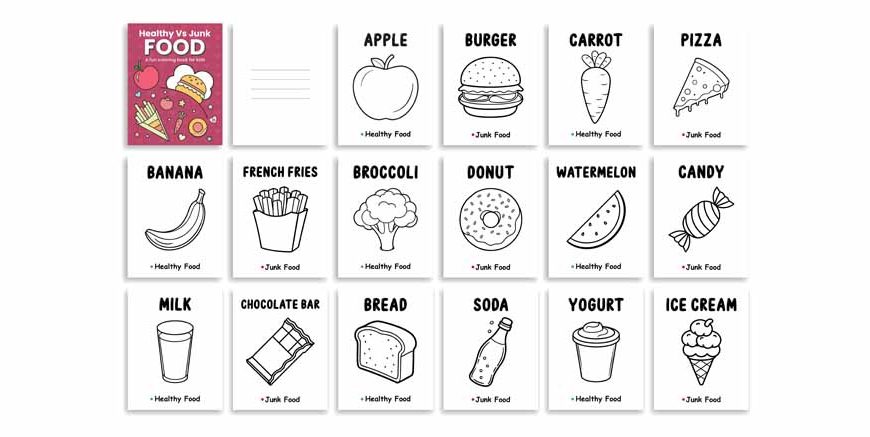
Why is it Called Unhealthy Food for Kids?
While knowing every fast food name is a fun vocabulary exercise for a toddler, the conversation must eventually turn to physical health. Why do doctors and teachers frequently classify these meals as unhealthy food for kids?
The answer lies in the hidden ingredients. To make these items taste so delicious and last a long time under warm heating lamps, restaurants use massive amounts of refined sugar, heavily processed salt, and artificial fats. When a child eats a deep-fried meal, their body gets a massive rush of quick energy, but they completely miss out on the vital vitamins, minerals, and natural fibre their growing bones desperately need.
If a child eats these items every single day, it can quickly lead to low energy levels, poor concentration in the classroom, and long-term health struggles. This is exactly why we call them ‘sometimes foods’ rather than ‘everyday foods’.
Read More – Healthy Foods for Kids to Gain Weight
Keeping the Dietary Balance
You do not need to ban these treats completely to raise a healthy child. Complete restriction often just makes the junk food seem much more exciting! Instead, use your new list of fast food items to teach the value of moderation.
If your child asks for a burger, suggest making one together at home using fresh, lean meat and wholemeal bread. If they crave chips, try baking fresh potato wedges in the oven with a tiny drizzle of olive oil. By recreating these famous meals in your own kitchen, you keep the fun flavour but completely remove the unhealthy, deep-fried elements.
Conclusion
Food is the fundamental fuel that powers a child’s brilliant, growing mind. When we sit down and openly discuss what goes into a factory-made chicken nugget or a sugary doughnut, we are not just giving a boring lecture on diet. We are actively handing our children the powerful tools they need to respect their own bodies. Teaching them to understand the vast difference between an occasional, fun treat and a daily, nutritious meal builds a sturdy foundation of healthy habits that will last a lifetime. The next time you walk past a colourful restaurant window, ask your child to name the foods on the poster, and remind them that the absolute best meals are always the ones cooked with love at home.
To uncover parenting resources and to spark your child’s brilliant educational journey, explore the EuroKids Blog, and discover everything you need to know about joining our vibrant community through EuroKids Preschool Admission today.
FAQs
How often can a child safely eat fast food?
Dieticians generally recommend limiting these highly processed meals to a rare treat, perhaps once a fortnight or specifically for special occasions like family birthdays.
What is the healthiest option on a quick-service menu?
If you are caught out and need a quick meal, look for grilled chicken wraps, side salads, or small portions of plain pasta instead of heavily deep-fried items.
How can I encourage my child to eat more vegetables?
Lead by clear example! If your child sees you happily eating a wide variety of colourful, crunchy vegetables with your dinner, they are much more likely to copy your positive eating habits.