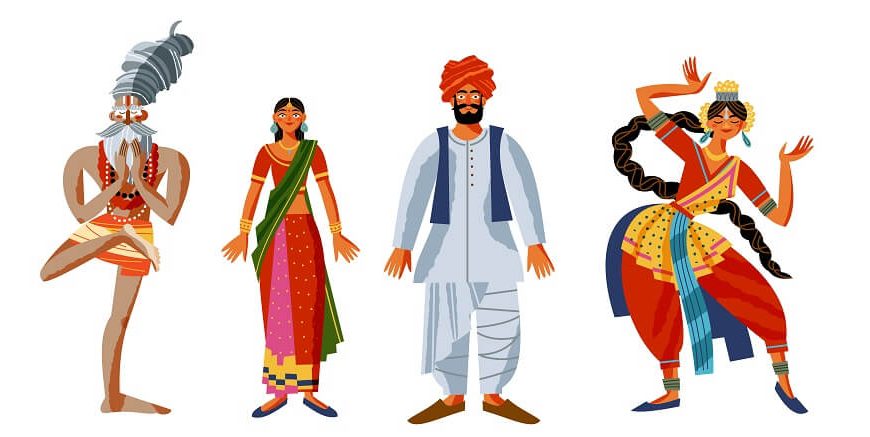
Indian art and culture form the foundation of our identity, values, and traditions. Introducing children to these elements from an early age helps them develop a sense of belonging, pride, and appreciation for diversity. In today’s globalised world, where children are exposed to multiple influences, it becomes even more important to nurture their connection with Indian heritage.
While it is important to be open to the cultures of the world at large, it is also crucial to embrace and uphold one’s culture and traditions.
It is important to remember that it is our inherent art and culture that makes us unique, that has found its way to the map and into the hearts and minds of people across the globe. It is important to celebrate what we have and be proud of our uniqueness. This blog explains simple and practical ways parents can introduce kids to Indian art, traditions, festivals, music, and cultural experiences.
Read More – Top-notch Art Materials for Preschoolers
Ways to Introduce Kids to Indian Art and Culture
If you are wondering how you can teach your kids about Indian art and culture, these tips might help you.
1. Introduce your kids to Indian art culture via stories
Read your kids bedtime stories every night? That might prove to be a great window to teach your kids about Indian art and culture.
Stories such as Panchtantra, Jataka Tales, Tenali Raman, and Akbar-Birbal, among others, are both entertaining and witty, with each of them coming with a positive takeaway that kids can apply in their lives on a day-to-day basis.
Besides getting exposure to noteworthy Indian literature. Who knows, they might enjoy these stories so much that they may even start reading them on their own!
2. Celebrate Indian festivals at home
Every festival celebrated in the country is a true reflection of Indian art and culture. Whether it is Holi, Diwali, Durga Puja, Pongal, Onam or Bihu. Each festival serves as a joyous occasion to celebrate the traditions followed in different regions across India.
Celebrating them with full gusto at home is not only a great way to help your child learn about them, but it can also help your kids assimilate the values of each festival on a deeper level.
Plus, celebrating all the diverse festivals we have can also make your kids more tolerant and appreciative of different cultures. So be sure to celebrate Indian festivals for your kids every time you can!
3. Holiday to different heritage spots of the country
From the Sun Temple in Konark to the forts of Delhi and the intricately carved temples of Kanyakumari, Indian art has a lot to offer!
When planning your annual vacation with your kids, be sure to factor in a heritage Indian site in your travel plans. Visiting these places can pique the curiosity of your children and help them understand the importance of Indian art.
Moreover, whenever they visit a new place with you, they get the chance to interact with the local people of the place, witnessing their traditions firsthand, which can be a very enriching experience. And if you end up there during the festive season, you might even find Indian festivals for your kids that they can learn about and understand, thereby appreciating the importance of Indian festivals for children.
4. Encourage their participation in cultural programs
Schools in general make it a point to host cultural programs that celebrate the rich diversity of our country. Even residential societies host annual cultural functions around important events such as festivals, Independence Day or Republic Day.
Encouraging your kids to participate in these programs can help them feel more connected to their roots. It can also make them familiar with Indian dance forms and folk music, thus opening new avenues of Indian culture for kids.
5. Add an element of Indian art and culture to their games
Kids are busy-bees! They’re always ready to move on to the next fun activity and pursue it with full energy. Adding elements of the local culture to their games can be a great way to teach them about the importance of Indian arts.
For example, you could get Indian art puzzles or teach them Indian games such as hopscotch and more to get them interested without it seeming like a task or a burden. This is certainly a better way than teaching them via lessons.
6. Encourage them to take up Indian music and dances as a hobby
It may seem as if Indian culture for kids is restricted to simply Bollywood dance and music, but you can expand their horizons beyond that by introducing them to Indian classical music and dance forms. Making any of them a part of their hobbies will help them absorb Indian culture.
There are plenty of activities to choose from. Your kids can pick up Bharatnatyam, Kathak, Odissi, etc., among the dances. Or they can pursue Indian classical music and pick up instruments such as the sitar, the tabla, the harmonium or even the flute.
7. Take them to local exhibitions
Although travelling is a great way to learn about Indian art and culture, it is not always possible. For those instances, making your kids attend local exhibitions can be a great idea.
Most exhibitions display the choicest of Indian art, be it in terms of painting or handicrafts. Taking your kids to such exhibitions will give them a front-row seat to the niche aspects of Indian art forms and thus increase their appreciation for them.
8. Use locally produced handicraft items
Not only is this a great way to support local arts and artisans, but it is also an excellent way to inculcate respect for locally produced goods in the hearts and minds of your kids. By seeing how good locally produced items can be, your kids will automatically turn to them, instead of relying on foreign makes.
Read More – Creative Ideas to Display Children’s Art
Why Early Cultural Exposure is Important for Children
Children who are introduced to their cultural roots early develop stronger emotional connections, social awareness, and respect for diversity. Exposure to art, traditions, and heritage enhances creativity, storytelling skills, and identity formation. It also encourages empathy and helps children appreciate both their own culture and others around the world.
Getting your kids excited about Indian art and culture might seem like a lot, but if you adhere to the above tips, it will be easy. Indian festivals for kids will become more than just about presents, and they will be more open to adopting local culture, traditions and arts into their lives.
How EuroKids Helps Children Connect with Indian Art and Culture
At EuroKids, cultural learning is an integral part of early childhood education. For parents considering preschool admission, this means choosing a learning environment where traditions and values are introduced in meaningful and age-appropriate ways. Through festival celebrations, storytelling sessions, art activities, music, dance, and cultural programs, children are encouraged to explore India’s diverse traditions in a fun and engaging environment. The research-backed HEUREKA Curriculum is thoughtfully designed to nurture creativity while helping young learners understand the importance of heritage, values, and community. By blending experiential learning with cultural exposure, EuroKids ensures children grow up with a strong sense of identity, appreciation for diversity, and pride in India’s rich artistic and cultural legacy.
Conclusion
Indian art and culture are not just subjects to learn, they are experiences to live and celebrate. By introducing children to stories, festivals, music, art, and heritage sites, parents can help them build a deep connection with their roots. This cultural awareness shapes their personality, values, and sense of belonging. When children understand where they come from, they grow into more confident, respectful, and open-minded individuals. Small everyday efforts, like celebrating festivals, encouraging traditional hobbies, or exploring local art, can make a lasting impact. Preserving and passing on Indian culture is one of the most meaningful gifts we can offer the next generation. At EuroKids, we strive to do the same for all of the kids in our school. Learn more about how we do this by visiting your nearest EuroKids centre.
FAQs:
1. Why is it important for kids to learn about Indian art and culture?
Learning about Indian art and culture helps children develop identity, respect traditions, and understand diversity. It also enhances creativity and emotional intelligence.
2. How can parents teach Indian culture at home?
Parents can teach culture through storytelling, festival celebrations, traditional games, music, dance, and visits to heritage sites and exhibitions.
3. What are some Indian art forms children can learn?
Children can explore Bharatanatyam, Kathak, Odissi, classical music, folk art, rangoli, handicrafts, and traditional storytelling.
4. How do festivals help children understand culture?
Festivals teach values, traditions, rituals, food, music, and community bonding, helping children experience culture practically.
5. At what age should children be introduced to Indian culture?
Cultural exposure can begin in early childhood through stories, songs, art, and simple celebrations at home or school.