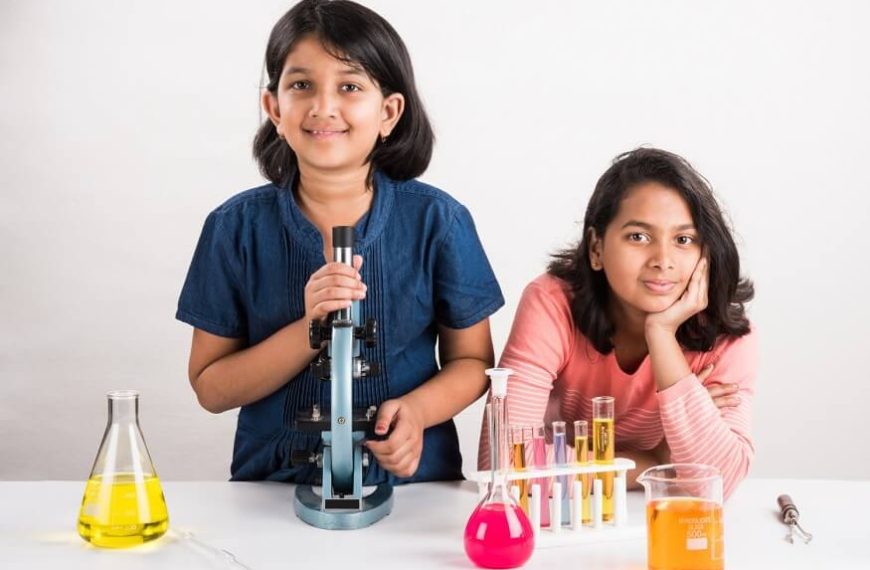
Chemistry is often perceived as a complex and mysterious science, but it doesn’t have to be! Introducing children to the enchanting world of chemistry through simple experiments can transform learning into a magical experience. In this article, we will explore delightful chemistry experiments for kids that not only educate but also entertain. Get ready to witness chemistry magic tricks that can be easily performed at home, making science an exciting adventure for junior scientists.
The Fizzing Potion: A Bubbling Delight
One of the most captivating chemistry experiments for kids is the classic fizzing potion. This activity is one of the most popular chemistry magic tricks used to demonstrate simple chemical reactions. To create this magical concoction, you will need baking soda, vinegar, and a dash of dish soap. In a container, mix baking soda with vinegar, and watch as the potion fizzes and bubbles, creating a mini eruption. The chemical reaction between the baking soda (a base) and vinegar (an acid) releases carbon dioxide, causing the delightful fizz. This experiment not only teaches children about chemical reactions but also provides a visual spectacle.
Rainbow Density Tower: A Colourful Display of Science
Make learning about density a vibrant experience with the Rainbow Density Tower. It beautifully represents magical chemistry through layers and colours. For this experiment, gather liquids of varying densities such as honey, dish soap, water, vegetable oil, and rubbing alcohol. Carefully layer each liquid in a transparent container, and witness the formation of distinct coloured layers. This mesmerising display showcases how liquids with different densities do not mix easily. Through this experiment, children can grasp the concept of density while enjoying a visually stunning chemistry magic trick.
Read More – Fun Learning with Science Kits for Kids
Invisible Ink Mystery: Revealing Secrets with Chemistry
This is a classic example of chemical magic tricks that amaze junior scientists. Unleash the detective in your junior scientist with the Invisible Ink Mystery experiment. All you need is lemon juice, a cotton swab, and paper. Instruct your child to write a secret message with the lemon juice, and once the message dries, it becomes virtually invisible. To reveal the hidden message, gently heat the paper. The lemon juice oxidises and turns brown, making the message magically appear. This experiment not only introduces the concept of oxidation but also adds an element of intrigue to chemistry.
Dancing Raisins: A Carbonation Ballet
Transform raisins into dancers in the Dancing Raisins experiment that demonstrates the wonders of carbonation. Place raisins in a glass of fizzy soda and watch as they mysteriously move up and down. The carbon dioxide bubbles in the soda adhere to the wrinkled surface of the raisins, making them buoyant. As the bubbles rise, they carry the raisins along, creating a lively dance. This experiment ingeniously illustrates the principles of buoyancy and gas solubility, making it both educational and entertaining for young minds.
Read More – How to Conduct the Rainbow Skittles Experiment
Lemon Volcano: A Zesty Eruption
Turn a lemon into a volcano in the Lemon Volcano experiment. Cut a lemon in half and scoop out the flesh, leaving the peel intact. Fill the hollowed lemon with baking soda and add a splash of dish soap. Pour vinegar into the lemon, and witness a foamy eruption reminiscent of a volcanic explosion. The reaction between the acid in the lemon and the base in the baking soda produces carbon dioxide, resulting in the effervescent eruption. This experiment combines creativity with chemistry, engaging children in a visually exciting learning experience.
Glowing Magic Milk: A Dazzling Display of Surface Tension
Enter the enchanting world of glowing magic milk, an experiment that showcases the mesmerising effects of surface tension. For this experiment, you will need a shallow dish, milk, food colouring, and dish soap. Pour a thin layer of milk into the dish, add drops of various food colourings, and then gently touch the milk’s surface with a dish soap-coated cotton swab. Watch in awe as the colours swirl and dance, creating a captivating display. This phenomenon occurs due to the disruption of surface tension, a concept children can grasp through this visually stunning chemistry magic trick.
Read More – How do you make science interesting for kids
Balloon Rockets: Harnessing the Power of Gas
Transform a simple balloon into a rocket with the Balloon Rockets experiment. All you need are balloons, a drinking straw, string, and tape. Tape the straw to the balloon, thread a string through the straw, and secure it between two points. Inflate the balloon and release, observing how the escaping air propels the balloon forward. This experiment introduces the concept of action and reaction, illustrating Newton’s Third Law of Motion. The joy of watching balloon rockets zoom across the room adds an element of excitement to the learning process.
Why Chemistry Magic Experiments Matter for Young Minds?
Hands-on chemistry magic experiments allow children to observe, question, and explore cause-and-effect relationships. Through chemical magic tricks, young learners develop critical thinking, curiosity, and problem-solving skills. These experiments encourage children to ask “why” and “how,” building a strong foundation for scientific learning through science magic tricks, chemistry that feels more like play than study.
Read More – Pepper and Soap Science Experiment for Kids
How EuroKids Encourages Magical Chemistry Learning
At EuroKids, we believe that learning should be joyful, experiential, and meaningful. Activities rooted in magical chemistry align with our approach of hands-on exploration, where children learn by doing. By introducing concepts through chemistry magic tricks and playful discovery, we nurture curiosity and help children develop a lasting interest in science.
Our learning environment is designed to support creativity, observation, and experimentation, allowing the magic chemistry of everyday moments to inspire young minds. Through such engaging experiences, EuroKids helps children build confidence, curiosity, and a lifelong love for learning.
Conclusion
Engaging childrеn in simplе chеmistry еxpеrimеnts not only sparks thеir intеrеst in sciеncе but also nurturеs important skills such as obsеrvation, problеm-solving, and tеamwork. Thеsе еxpеrimеnts providе a hands-on еxpеriеncе that goеs bеyond tеxtbooks, making sciеncе a dynamic and accеssiblе subjеct for young minds.
As parеnts and еducators, wе play a crucial rolе in fostеring a positivе attitudе towards lеarning. By incorporating fun and еducational chеmistry magic tricks into a child’s routinе, wе can instill a sеnsе of wondеr and curiosity that will lay thе foundation for a lifеlong lovе for sciеncе.
These fun and simple chemistry experiments for kids bring the magic of science to life. We at EuroKids believe that by incorporating everyday materials, these experiments make learning accessible and enjoyable for junior scientists. From fizzing potions to invisible ink mysteries, each experiment not only entertains but also educates, fostering a love for chemistry.
So, roll up your slееvеs, gathеr somе housеhold itеms, and lеt thе magic of chеmistry unfold in your own living room.
Parents who wish to understand how this approach is integrated into everyday learning can explore the EuroKids Blogs for insights on early education, fun learning activities, and child development.
To give your child a strong foundation through a nurturing and engaging preschool environment, you can learn more about the EuroKids Admission process.
FAQs:
1. What are chemistry magic experiments?
Chemistry magic experiments are simple, safe activities that use everyday materials to demonstrate scientific reactions in a fun and visually engaging way. They help children understand basic chemistry concepts through play.
Q2. Are chemistry magic tricks safe for children to try at home?
Yes, most chemistry magic tricks designed for kids use household items like vinegar, baking soda, milk, and food colouring. Adult supervision is recommended to ensure safety and proper handling of materials.
Q3. How do chemistry magic experiments help in learning?
These experiments build curiosity, observation skills, and problem-solving abilities. By turning lessons into science magic tricks chemistry, children learn concepts more effectively and retain information longer.
Q4. At what age can children start learning through magical chemistry activities?
Children as young as preschool age can participate in basic chemistry magic experiments, provided the activities are age-appropriate and supervised. Early exposure helps develop a positive attitude toward science.
Q5. How does EuroKids support hands-on science learning for children?
EuroKids integrates experiential learning into its curriculum through play-based activities, exploration, and guided discovery. Parents can find more learning ideas and activity-based content on the EuroKids Blogs.