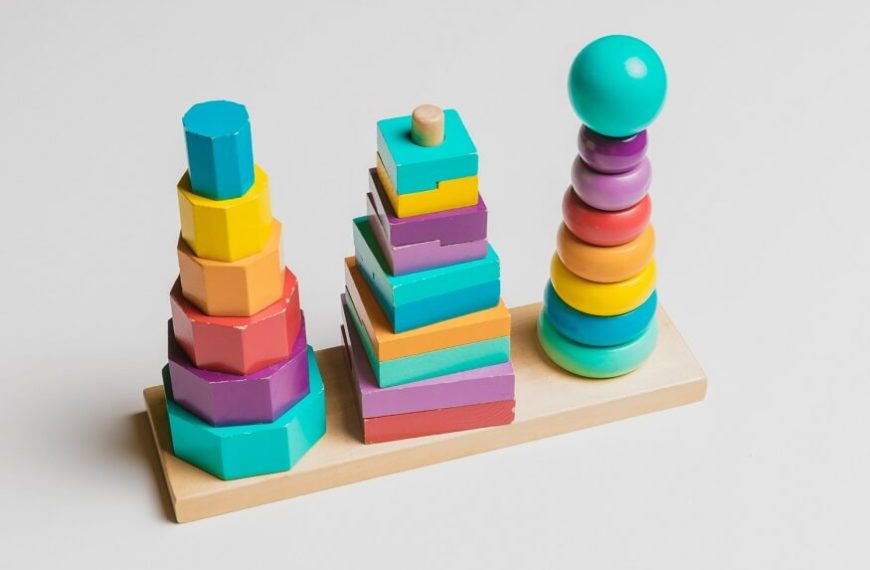
Engaging children in constructive activities is vital for their cognitive and physical development. Tower construction exercises provide an excellent platform for kids to enhance their creativity, problem-solving skills, and teamwork. In this article, we explore 30 interactive tower construction exercises that not only foster learning but also promise hours of educational play.
Interactive Tower Construction Exercises for Children
Creative construction activities help children learn through play while strengthening thinking, motor, and social skills. Tower-building exercises, in particular, encourage problem-solving, creativity, patience, and teamwork. Below are 30 interactive tower construction exercises for children:
1. Classic Block Towers
Begin with the timeless classic, building towers with blocks. Teach kids about balance and stability as they experiment with different block placements, fostering an early understanding of structural integrity.
Read More – Importance of Building Blocks for Kids
2. Nature’s Building Blocks
Make the construction fun outdoors by using natural materials like sticks and stones. Discuss the importance of stability while incorporating an educational play element about the various materials found in nature
3. Cardboard Castle Challenge
Encourage kids to transform cardboard boxes into intricate castles. This exercise not only tests their building skills but also introduces them to the concept of planning and executing a more complex structure.
4. Marshmallow and Toothpick Creations
Combine a tasty treat with a building challenge by using marshmallows and toothpicks. This hands-on activity teaches children about the importance of structural balance while allowing them to enjoy a delicious reward.
5. Recycled Material Skyscrapers
Promote eco-friendly construction by using recycled materials such as plastic bottles and newspapers. This exercise doubles as a lesson on sustainability, making kids aware of the materials around them and their potential uses.
6. Balancing Act with Building Blocks
Explore stability further by introducing an element of height. Challenge kids to build a tower as tall as they can while ensuring it remains balanced, teaching them about the relationship between height and stability.
7. Straw Tower Challenge
Utilize the simplicity of straws to create towers. This exercise emphasizes the importance of stability while incorporating an added challenge in the form of the flexible nature of straws.
8. Collaborative LEGO Structures
Encourage teamwork and cooperation by having children work together to build intricate structures using LEGO blocks. This activity not only enhances creativity but also teaches the value of shared ideas and effort.
9. Tape and Paper Towers
Restricting materials to tape and paper adds an extra layer of difficulty. Kids learn to rely on their problem-solving skills and creativity to build sturdy towers using limited resources.
10. Sandcastle Architecture
Take the tower-building concept to the beach with sandcastles. This exercise introduces an unconventional building material while offering a fun and interactive way for kids to explore the principles of stability.
11. Jenga Challenge
Put a twist on the popular game by turning it into an interactive tower-building exercise. Kids can hone their fine motor skills while learning about the delicate balance needed to avoid a tower collapse.
12. Ice Cube Igloos
Transform a cold substance into a creative activity by building igloos using ice cubes. This unique challenge introduces the concept of stability in a dynamic environment, as the ice cubes continually change shape.
13. Pipe Cleaner Puzzles
Engage children’s imagination with pipe cleaner towers. This exercise challenges them to think outside the box, constructing towers with unconventional materials while emphasizing stability.
Read More – Best Puzzles For Kids
14. Paper Cup Pyramids
Stacking paper cups to create pyramids involves strategy and precision. This exercise not only explores the concept of stability but also encourages kids to think critically about weight distribution.
15. Building with Food
Turn snack time into a learning opportunity by building edible structures. This unique exercise introduces the idea of stability while allowing kids to explore creativity with unconventional building materials.
16. Magnetic Block Masterpieces
Harness the power of magnets to create unique tower structures. This exercise not only reinforces the importance of stability but also introduces the fascinating world of magnetic forces.
H3- 17. Tinker Toy Towers
Bring back a classic building toy with Tinker Toys. This activity enhances fine motor skills and spatial awareness while emphasizing the need for stability in constructing intricate designs.
18. Foam Block Fortresses
Explore the tactile world of foam blocks in this tower construction exercise. As kids build fortresses, they learn about stability and the different ways materials can be manipulated to create sturdy structures.
19. Building Bridges with Popsicle Sticks
Introduce engineering concepts by having kids build bridges with popsicle sticks. This exercise delves into the importance of stability in architectural designs, particularly in structures that span longer distances.
Read More – Fun Math Activities for Kindergarten
20. Styrofoam Sculptures
Use lightweight styrofoam to create sculptures. This exercise combines artistic expression with structural engineering, teaching kids about stability in three-dimensional designs.
21. Balloon Tower Bonanza
Incorporate balloons into tower construction for a dynamic twist. This exercise introduces an element of unpredictability, as the towers must withstand the pressure from the balloons while maintaining stability.
22. Cup and String Creations
Enhance communication and teamwork by having kids build towers using cups and strings. This exercise requires coordination and planning, emphasizing stability in both the physical and collaborative sense.
23. Building with Magna-Tiles
Explore the world of magnetic building with Magna-Tiles. This exercise not only introduces the concept of stability but also allows kids to experiment with geometric shapes and patterns.
24. Building with Recyclable Materials
Encourage environmental awareness by using recyclable materials for tower construction. This activity combines creativity with a valuable lesson on sustainability and the importance of stability in eco-friendly designs.
25. String and Bead Towers
Engage fine motor skills by having children thread beads onto strings to create towers. This exercise introduces the concept of stability through the careful balancing of materials.
26. Cotton Ball Cloud Castles
Let creativity soar with cotton ball cloud castles. This exercise encourages children to think vertically, experimenting with the placement of cotton balls while learning about the importance of stability.
27. Building with Playdough
Combine the joy of playdough with tower construction. This exercise allows kids to experiment with shapes and textures, reinforcing the importance of stability in building structures with malleable materials.
28. Building with Household Items
Encourage resourcefulness by challenging kids to build towers using everyday household items. This exercise prompts creative problem-solving while reinforcing the principles of stability in various materials.
29. Domino Tower Design
Move beyond simple domino lines and challenge children to stack dominoes vertically to create tall towers. This activity strengthens fine motor skills, patience, and concentration. Kids also learn about balance and careful placement, as even a slight misalignment can cause the structure to topple.
30. Clay and Stick Structures
Provide modeling clay and small sticks to let children design and construct creative tower models. The clay acts as connectors while sticks form the framework, introducing basic engineering concepts. This exercise enhances spatial awareness and teaches children how strong joints contribute to overall structural stability.
How EuroKids Supports Skill-Based Learning in Early Childhood
EuroKids provides a play-based learning environment where children develop creativity, coordination, and problem-solving skills through hands-on activities. Construction play, sensory exploration, storytelling, and group projects are part of everyday learning. Educators guide children to explore ideas, experiment with materials, and collaborate with peers. This approach helps build confidence, communication skills, and curiosity while ensuring that learning remains joyful, engaging, and meaningful for every child.
How EuroKids Encourages Discovery-Based Learning through the HEUREKA Curriculum
At EuroKids, the HEUREKA Curriculum promotes discovery and experiential learning through activities that encourage curiosity and exploration. Children learn by experimenting, building, observing, and collaborating rather than memorising concepts. Tower-building and creative construction activities align with this approach by helping kids understand balance, structure, teamwork, and innovation. The curriculum nurtures independent thinking, creativity, and problem-solving skills while ensuring children enjoy every moment of their learning journey.
Conclusion
Interactive tower construction exercises not only provide hours of educational play but also lay the foundation for essential skills in children. From fine motor skills to teamwork and problem-solving, these activities foster holistic development. Encourage your child’s curiosity and creativity by incorporating these exercises into their playtime routine.
Discover a nurturing environment that combines play and education at EuroKids. Our innovative curriculum and experienced educators ensure your child’s development in a safe and engaging setting. Those who wish to understand the preschool journey better or explore enrolment options can find complete information on the EuroKids Preschool Admission Page, where learning is designed to be joyful, engaging, and child-friendly. Enroll your child today for an enriching educational journey.
FAQs
1. Why are tower construction activities important for children?
They help improve creativity, problem-solving skills, coordination, and teamwork while introducing basic STEM concepts.
2. What age group can participate in tower-building activities?
These activities are suitable for preschoolers and early primary students with adult supervision.
3. Which materials are best for tower construction exercises?
Blocks, LEGO, recycled materials, straws, paper cups, and natural items like sticks work well.
4. Can tower construction improve teamwork?
Yes, collaborative building activities encourage communication, cooperation, and shared problem-solving.
5. How often should children engage in such activities?
Including creative construction play a few times a week can significantly support learning and development.