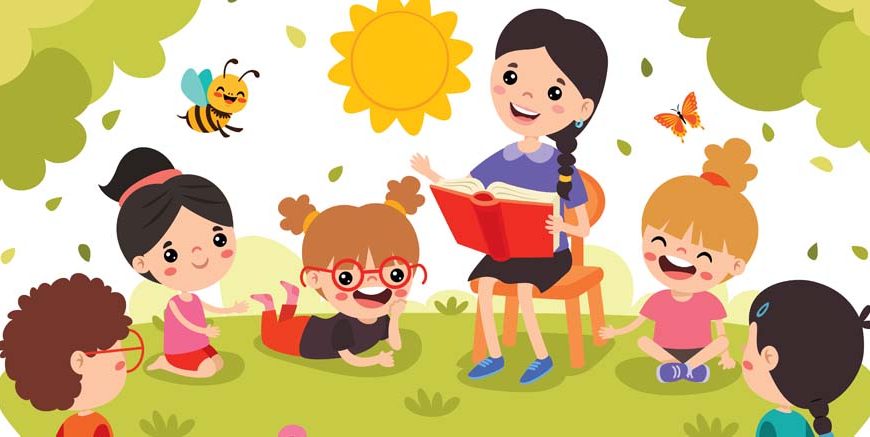
Storytelling is one of the most effective ways to help children learn a language. When kids create stories, they practice vocabulary, improve sentence formation, and develop creativity. Tools such as a story maker or story generator encourage children to imagine characters, places, and adventures while strengthening their English skills.
For young learners, storytelling activities are not just fun; they also help build confidence in reading, writing, and speaking. Whether children use a story creator, play story-making games, or write their own stories in English, they learn to express ideas creatively.
In this article, we will explore how story writing for kids works, why storytelling is important for language learning, and how children can “create your own story” using simple and fun techniques.
What Is a Story Maker?
A story maker is a tool, activity, or game that helps children create stories by choosing characters, settings, and events. It encourages kids to imagine new situations and build narratives using their own ideas.
For example, a simple story generator might help children pick:
- A character (a boy, girl, animal, or superhero)
- A setting (a forest, city, school, or space)
- An event (an adventure, problem, or mystery)
Children can combine these elements to “make your own story”.
Example:
Character: A curious monkey
Setting: A jungle
Event: Finding a hidden treasure
Story idea:
A curious monkey explored the jungle and discovered a hidden treasure inside an old tree.
This type of activity helps children practice writing stories in a fun and engaging way.
Read More – Short Moral Stories For Kids
Why Storytelling Helps Kids Learn English
Storytelling is a powerful method for language learning.
Improves Vocabulary
When children create stories, they learn new words and how to use them in sentences.
Builds Creativity
Storytelling allows kids to imagine new worlds and characters.
Develops Writing Skills
Writing stories helps children practice grammar, spelling, and sentence structure.
Encourages Confidence
When children share their stories, they gain confidence in speaking and expressing ideas.
Because of these benefits, teachers often use story maker activities in classrooms.
How to Create Your Own Story
Children can easily “create your own story” by following a few simple steps.
Step 1: Choose a Character
Every story needs a main character.
Examples:
- A brave girl
- A talking cat
- A young explorer
- A friendly robot
Step 2: Pick a Setting
Decide where the story happens.
Examples:
- A magical forest
- A school playground
- A space station
- A village in India
Step 3: Add a Problem or Adventure
Stories become interesting when something exciting happens.
Examples:
- Finding a lost treasure
- Helping a friend in trouble
- Solving a mystery
Step 4: Write the Ending
End the story with a happy or meaningful conclusion.
Example:
The hero solves the problem and learns an important lesson.
This process helps children “make your own story” easily.
Example of a Simple Story for Kids
Here is a short example of “my own story” in English.
The Brave Little Bird
Once there was a little bird that lived in a big mango tree. One day, a strong wind blew the bird’s nest away. The bird felt scared but decided to build a new nest.
With patience and hard work, the bird gathered small twigs and leaves. Soon, it built a beautiful new nest.
The bird learned that courage and effort can overcome any challenge.
Stories like this help children practice writing stories.
Read More – Benefits of Storytelling in Child Development
Story Maker Activities for Classrooms
Teachers often use story-making activities to make learning English fun.
Picture Story Game
Students look at pictures and create a story based on what they see.
Story Chain
Each student adds one sentence to continue a story.
Random Word Story
Children receive three random words and must create a story using them.
Example words:
- Tiger
- Mountain
- Treasure
Students create a story combining these ideas.
These story-making games encourage imagination and teamwork.
Story Generator Tools for Kids
Many online tools serve as story generators to help children create stories.
These tools allow kids to choose:
- Characters
- Settings
- Story themes
The tool then helps them build a story using their choices.
For example, a story creator might suggest:
Character: A friendly dragon
Setting: A snowy mountain
Adventure: Helping a lost traveller
Children then expand this idea into a full story.
These tools make creating a story game more interactive and enjoyable.
Create a Story Game for Kids
A “create a story game” is a fun activity where children build stories step by step.
Game Rules
- Choose a character.
- Choose a place.
- Add a problem.
- Create a solution.
Example:
Character: A clever rabbit
Place: A green garden
Problem: The rabbit lost its carrot
Solution: The rabbit asks friends for help and finds the carrot.
Games like this help children improve their story-writing skills.
Story-Making Games at Home
Parents can also encourage storytelling at home.
Story Dice
Use picture dice and ask children to create a story based on the images.
Bedtime Story Creation
Parents start a story and children continue it.
Drawing Stories
Children draw pictures and then write a story about them.
These story-making games strengthen language skills while having fun.
Tips for Children to Write Better Stories
Children can improve their storytelling skills with these tips.
Use Descriptive Words
Describe characters and places clearly.
Example:
Instead of “big tree,” say “a tall green mango tree.”
Add Dialogue
Characters can talk to make the story more interesting.
Example:
“Where is my treasure?” asked the pirate.
Keep the Story Simple
Short and clear stories are easier to understand.
Practice Regularly
The more children write stories, the better they become.
These tips help kids confidently “make your own story”.
Benefits of Story Maker Activities
Using a story maker offers many benefits for children.
Encourages Creativity
Children imagine new worlds and characters.
Improves Language Skills
Storytelling strengthens reading, writing, and speaking.
Builds Problem-Solving Skills
Stories often include challenges that characters must solve.
Makes Learning Fun
Games and storytelling activities make English learning enjoyable.
How EuroKids Builds Strong English Foundations
Learning English at a young age becomes natural when children engage with stories, songs, real-life objects, and interactive activities. Instead of rote memorisation, EuroKids focuses on developing language skills through meaningful experiences that make reading, writing, speaking, and listening enjoyable.
At EuroKids, foundational English concepts are taught using storytelling, picture books, phonics-based exercises, and interactive vocabulary games aligned with the HEUREKA – Visible Thinking Curriculum. This approach helps children connect words to ideas, build comprehension skills, and express themselves confidently.
Activities such as narrating short stories, describing objects, and participating in “Think-Pair-Share” or “See-Think-Wonder” routines reinforce language understanding. Children learn grammar, vocabulary, sentence formation, and pronunciation in ways that feel playful yet purposeful.
With a child-focused, activity-driven methodology refined over 20+ years and implemented across 1600+ preschools, EuroKids emphasises communication and confidence first. As children enjoy English learning, fluency, reading comprehension, and writing skills develop naturally, laying the groundwork for strong lifelong language abilities.
Quick Story Idea Generator
Here is a simple story generator idea.
Choose one item from each column.
|
Character |
Place |
Adventure |
|
A robot |
A forest |
Finds a treasure |
|
A tiger |
A village |
Helps a lost child |
|
A girl |
A mountain |
Solves a mystery |
Example story idea:
A girl climbed a mountain and solved a mystery about a hidden cave.
Children can easily use this activity to “create your own story.”
Conclusion
Storytelling is a powerful way to help children learn English. Activities like using a story maker, playing story-making games, or using a story generator encourage creativity and improve language skills.
When children understand what it means to “create your own story”, they learn how to express ideas, build sentences, and explore their imagination. Whether at school or at home, storytelling activities help young learners develop confidence in English.
By practising story writing, children can discover the joy of creating their own stories and sharing them with others.
To explore more learning ideas, simple explanations, and early childhood resources, parents can visit the EuroKids Blog. Those who wish to understand the preschool journey better or explore enrolment options can find complete information on the EuroKids Preschool Admission
>