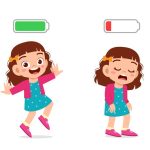
Preschool is often the first place where children begin interacting regularly with people outside their family. They learn to speak in groups, listen to others, share ideas, and respond to questions. These early experiences play an important role in shaping how children see themselves and how comfortable they feel expressing their thoughts. Confidence at this stage does not develop automatically. It grows through repeated opportunities to speak, participate, and feel accepted. This is where structured classroom activities become important.
One such activity is Show-and-Tell, which allows children to present something familiar and talk about it in front of their peers. This simple routine supports communication, emotional security, and gradual self-belief. It is widely recognised as an effective method for building confidence in kids and is often recommended by educators who focus on practical ways of learning how to build confidence in kids from an early age.
What is Show-and-Tell in Preschool Education?
Show-and-Tell is a classroom activity in which children bring an object from home or choose something provided in class and speak about it before their classmates. The object could be a toy, a book, a picture, or even something handmade. The child explains what the object is, why it is important to them, or how it is used. Teachers guide the session so that every child gets a turn in a supportive environment.
In preschool education, this activity is not about perfect speech or detailed explanations. It is about giving children a structured opportunity to stand, speak, and be heard. Over time, this routine helps them become more comfortable using language in social settings. It also teaches them to listen respectfully when others speak, which strengthens classroom relationships.
Why Confidence Development Starts in Preschool
Early childhood is a critical period for emotional and social development. During these years, children form ideas about their abilities and their place among others. If they feel encouraged and supported, they are more likely to try new things and express themselves openly. If they feel ignored or criticised, they may become hesitant.
Educators emphasise that confidence grows through small, repeated successes. Speaking a few sentences in front of classmates, answering simple questions, and receiving positive feedback all contribute to a child’s sense of capability. This is why understanding how to build confidence in kids is essential in preschool education. Activities like Show-and-Tell provide a natural platform for these small achievements to occur regularly.
Read More – Why Counting 1–10 Builds Early Math Confidence in Kids
The Link Between Show-and-Tell and Self-Confidence
Self-confidence develops when children realise that their thoughts and experiences matter. During Show-and-Tell, each child becomes the centre of attention for a short time. Their classmates listen, and the teacher responds positively to their effort. This experience sends a clear message that their voice has value.
Over time, children who participate in these sessions begin to speak more clearly and with less hesitation. They become familiar with standing in front of others and organising their thoughts. This gradual improvement is one of the practical ways educators support how to improve confidence in kids. Instead of forcing children to speak in stressful situations, Show-and-Tell introduces public speaking in a calm and predictable manner.
How Show-and-Tell Helps in Building Confidence in Kids
The process of selecting an object, preparing to talk about it, and presenting it to classmates involves several steps that strengthen self-belief. A child first decides what to share. Then the child practises explaining it. Finally, the child speaks in front of a group. Each step builds courage.
When teachers acknowledge the effort rather than focusing only on accuracy, children feel safe to try again. This repeated cycle of preparation, presentation, and encouragement plays a strong role in building confidence in kids. Children learn that making mistakes is acceptable and that improvement comes with practice.4
Read More – Guiding Your Child: Developing Courage
How Show-and-Tell Teaches Children to Express Themselves
Confidence is closely linked to communication. Children who can explain their ideas are more likely to participate in class and social activities. Show-and-Tell helps children develop vocabulary, sentence formation, and clarity of speech. It also encourages them to maintain eye contact and speak at an audible volume.
These communication skills support how to increase confidence in kids because children feel more in control when they can express what they think or need. Instead of becoming frustrated or silent, they learn to use words to share their feelings and ideas.
How Show-and-Tell Improves Social Confidence
Social confidence refers to how comfortable children feel when interacting with others. Show-and-Tell teaches children to wait for their turn, listen without interrupting, and respond politely. These behaviours strengthen group harmony and reduce anxiety during social interactions.
When children realise that their classmates face similar nervousness and make similar mistakes, they begin to feel less self-conscious. This shared experience contributes to how to improve self confidence in kids by normalising speaking in front of others and receiving feedback in a friendly environment.
Role of Teachers in Strengthening Confidence During Show-and-Tell
Teachers play a central role in ensuring that Show-and-Tell remains a positive experience. They guide children gently, help them structure their sentences, and step in if a child feels unsure. Their tone, expressions, and responses influence how children perceive their own performance.
Supportive teachers focus on effort rather than perfection. They avoid negative comparisons and instead highlight each child’s progress. By maintaining a calm and respectful atmosphere, teachers make it easier for children to participate willingly. This approach supports long-term confidence rather than short-term performance.
How Parents Can Support Show-and-Tell at Home
Parents also contribute to their child’s confidence development. Talking about the upcoming Show-and-Tell session at home can reduce anxiety. Allowing children to choose their own object gives them a sense of control. Practising a few sentences together helps them feel prepared without placing pressure on them to perform perfectly.
These simple steps reinforce classroom learning and support parents in understanding how to build confidence in kids beyond the school environment. When children receive consistent encouragement both at home and in school, their confidence grows more steadily.
Read More – Ways of Problem Solving for Preschoolers
Long-Term Benefits of Show-and-Tell for Children
The impact of Show-and-Tell extends beyond preschool years. Children who become comfortable speaking in groups are more likely to participate actively in school discussions, ask questions, and seek help when needed. These behaviours contribute to academic confidence and better learning outcomes.
In the long term, children who experience regular opportunities to speak and be heard develop stronger leadership qualities and a healthier self-image. This ongoing development illustrates clearly how to improve confidence in kids through consistent, age-appropriate activities rather than occasional interventions.
Conclusion: Growing Confident Learners with EuroKids
Show-and-Tell is more than a classroom routine. It is a structured method that helps children learn how to express themselves, interact socially, and develop a positive sense of identity. Through regular participation, children experience firsthand how to increase confidence in kids in a natural and supportive way.
The EuroKids Blog continues to share insights that help parents and educators understand early childhood development better and support children during these important years.
For parents exploring preschool admission, EuroKids offers a trusted and child-focused learning environment. For those interested in contributing to quality early education, the EuroKids Franchise offers a meaningful opportunity. EuroKids is one of India’s leading preschool networks, known for its research-based HEUREKA Curriculum and strong focus on holistic child development.
Becoming part of the EuroKids ecosystem means supporting young learners as they build knowledge, communication skills, and confidence that will shape their future.